


Table of Contents
Try Whippy for Your Team
Experience how fast, automated communication drives growth.

Texting is one of the most effective ways pharmacies stay connected with patients. Prescription pickup notifications land instantly. Refill reminders reduce missed medications. Appointment confirmations cut no-shows. Patients respond to texts faster than phone calls, and they expect the convenience.
The good news: pharmacies can absolutely text patients. HIPAA does not prohibit it. What it does is set clear boundaries for what goes in those messages, and once you understand how it works, it's straightforward to follow.
Here's what pharmacists need to know to text patients effectively and compliantly.
HIPAA and Pharmacy Texting: The Basics
HIPAA allows pharmacies to text patients for treatment-related communications, prescription reminders, pickup notifications, appointment confirmation, without requiring written patient authorization.
The key is keeping messages operational and minimal. Texting about a prescription is fine. Texting clinical details about a patient's condition is where pharmacies need to be careful.
The simple principle: if you can communicate the same thing with less patient health information, use less. A message that says "Your prescription is ready for pickup" works perfectly. A message that names a specific medication tied to a sensitive condition adds risk without adding value for the patient.
Patient preferences for text communication should be documented, and the ability to opt out must always be available.
What Pharmacies Can Text Patients
Pharmacy SMS works well for simple, action-oriented communications:

Prescription pickup notifications
Prescription refill reminders
Appointment reminders
General follow-up prompts ("Please contact the pharmacy")
Payment notifications referencing only the last 4 digits of a card on file
Opt-in and opt-out confirmations
These messages are brief, clear, and serve the patient without exposing unnecessary health details. HHS has confirmed that refill reminders and medication adherence communications, including recently lapsed prescriptions within the last 90 days, are permitted under HIPAA without separate authorization.
What Works for Every Message
A few straightforward principles keep pharmacy SMS on the right side of compliance:
Keep it generic when in doubt.
"Your prescription is ready" works just as well as naming the medication, and it's always the safer choice, especially for medications related to sensitive conditions like mental health, substance use, or reproductive health.
Use partial identifiers when patients need context.
Referencing only the first three letters of a medication name gives patients enough to recognize their prescription without revealing the full name or condition.
Never collect payment over SMS.
Reference stored payment methods by last four digits only. Payment details belong in a secure portal, not a text thread.
Redirect clinical questions off SMS immediately.
If a patient replies with questions about their medication or condition, move the conversation to a phone call or patient portal. Text is for operational updates, not clinical conversations.
Use approved templates.
Standardized pharmacy messaging templates keep communications consistent and remove the guesswork for staff.
Safe vs. Risky: Real Message Examples
Safe ✓ | Risky ✗ |
|---|---|
"Your prescription starting with MET is ready." | "Your methadone refill is overdue." |
"Your prescription is ready for pickup." | "Your HIV medication is ready." |
"Your refill for ADV is due." | "Your Advair for your COPD is ready." |
"We'll charge the card ending in 1234." | "Text us your card number to pay." |
"Please call us to discuss your prescription." | Providing clinical detail via text reply |
"Your custom compound is ready for pickup." | "Your testosterone compound is ready." |
"It's time to refill your prescription. Contact us or use our portal." | "Your antidepressant refill is due." |
Compounding Pharmacy
Compounded prescriptions are highly individualized, so keep SMS references fully generic: "Your custom compound is ready for pickup." If a patient has questions about their formulation, redirect to a phone call right away.
Platform and Staff Basics
Using a HIPAA-compliant messaging platform with a signed Business Associate Agreement (BAA) puts the right technical safeguards in place, encryption, access controls, and audit logs.
Beyond the platform, a few staff practices make the biggest difference:
Use only the pharmacy's approved messaging platform, not personal phones, iMessage, or WhatsApp
Follow standardized message templates
Verify patient phone numbers at onboarding and periodically after
Process opt-out requests immediately and keep records updated
These habits are simple to build and go a long way toward keeping patient communication smooth and compliant.
Quick Check Before Every Text
- Is this operational?
Pickup, refill, appointment, payment, good to send with minimal detail. - Does it include medication names or clinical detail?
Simplify or use the generic template. - Could someone other than the patient read this?
Write it that way. - Is this better handled by phone or patient portal?
Redirect if yes. - Does this patient have an opt-out on file?
If yes, do not send.
Ready to Build a Better Patient Communication Program?
Whippy's pharmacy communication platform makes it easy to reach patients effectively, with BAA-covered messaging, automated reminders, standardized templates, and two-way communication workflows designed for pharmacy teams.
Request a demo today
Frequently Asked Questions
Q: Can pharmacies text patients without HIPAA authorization?
A: Yes, for treatment-related communications like reminders and pickup notifications. Document patient preferences and honor opt-out requests immediately.
Q: Is iMessage or WhatsApp compliant for pharmacy staff?
A: No. Staff should use only the pharmacy's approved, BAA-covered platform for patient communication.
Q: Can compounding pharmacies text patients about their formulations?
A: Keep it generic, "Your custom compound is ready", and redirect any clinical questions to a phone call.
Q: What if a patient replies with clinical questions over text?
A: Redirect immediately: "For your privacy, please call us directly to discuss your prescription." Keep the conversation moving to a secure channel.
For educational purposes only. This article does not constitute legal advice. Pharmacies are responsible for determining their own HIPAA compliance. Consult a qualified privacy officer or legal counsel.
Table of Contents
Table of Contents
Try Whippy for Your Team
Experience how fast, automated communication drives growth.

Related Articles
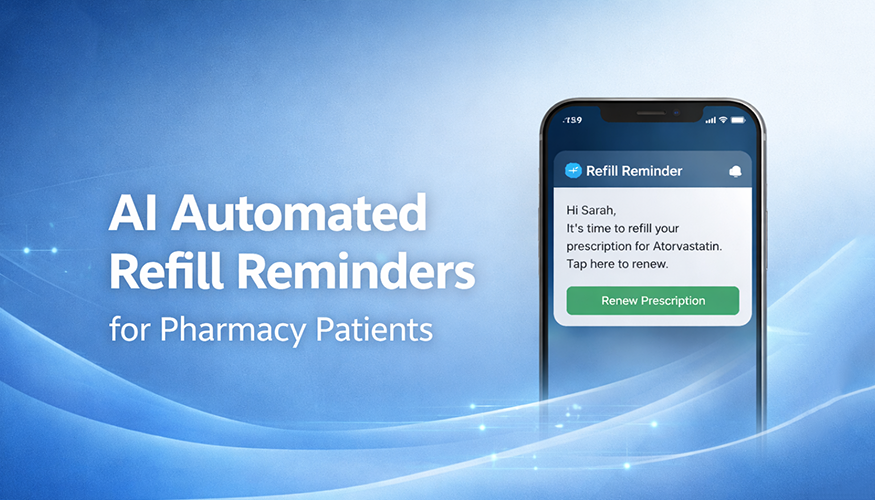
AI Automated Refill Reminders for Pharmacy Patients
 Elizabeth Long
After Hours Medical Answering Service with AI
Elizabeth Long
Dental Answering Service – 24/7 AI Receptionist Support
Elizabeth Long
Is Zapier HIPAA Compliant? Risks and Alternatives
Elizabeth Long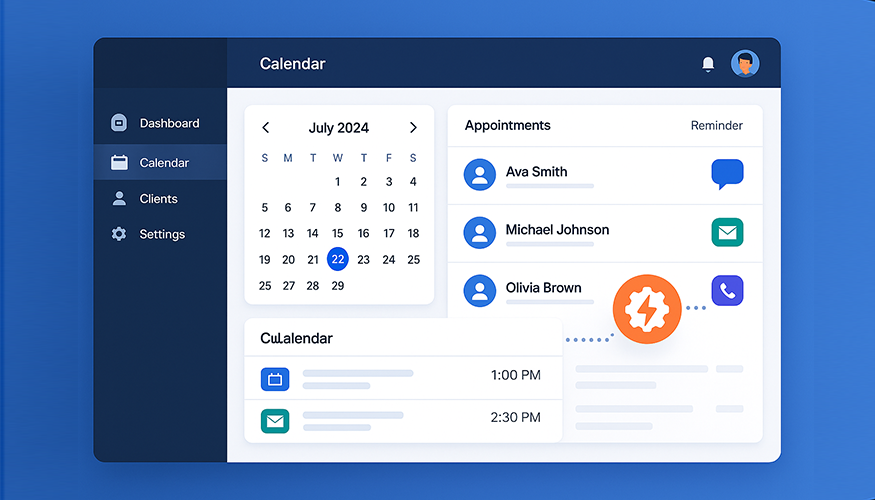
Best Appointment Reminder System: AI & SMS Automation
Elizabeth Long
How AI Enhances Healthcare Staffing Solutions Software
Elizabeth Long